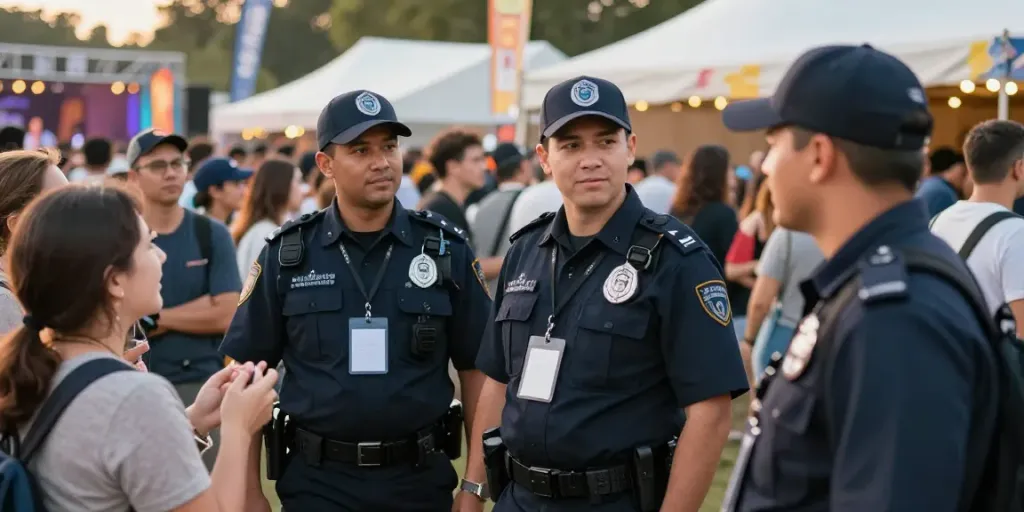
Understanding Event Security: What It Entails
Event security is an essential aspect for any gathering, ensuring safety and security for guests and organizers alike. With recent global events shaking the foundations of public safety, the demand for robust security measures has never been higher. When exploring options, Event Security has become a key focus for organizations planning various types of gatherings. From crowd control to emergency management, the responsibilities of event security personnel are multifaceted and critical for a successful event experience.
1. Core Responsibilities of Event Security Personnel
Event security personnel are tasked with a variety of responsibilities that ensure the event runs smoothly and safely. Key responsibilities include:
- Crowd Management: Monitoring attendees to prevent overcrowding and ensuring smooth entry and exit from the venue.
- Access Control: Verifying guest identities, checking tickets, and managing entry points to restrict unauthorized access.
- Emergency Response: Being prepared to act in case of emergencies such as medical incidents, evacuations or security threats.
- Surveillance: Using CCTV and patrols to monitor the venue, ensuring any suspicious behavior is quickly addressed.
- Conflict Resolution: Managing disputes or disturbances calmly and professionally to maintain a safe environment.
2. Types of Events That Require Security Services
Different types of events have varying security needs. Some common events that typically require security services include:
- Concerts and Festivals: High-profile performances often attract large crowds, necessitating strong crowd management and emergency preparedness.
- Corporate Events: Meetings, conferences, and trade shows require focused security to protect executives and sensitive information.
- Weddings and Private Parties: Personal events sometimes attract uninvited guests, making monitoring critical.
- Sporting Events: These events often see heightened emotions, which can lead to conflicts among spectators, making trained security invaluable.
3. Importance of Training and Professional Conduct
In the security industry, training is paramount. Trained personnel not only understand the duties required of them but also the legal implications of their roles. Professional conduct helps build trust with event organizers and attendees, further enhancing the safety of the environment. Regular training programs encompass:
- Scenario-based training for emergency situations.
- Conflict resolution tactics.
- Health and safety procedures.
- Legal implications surrounding event security.
Choosing the Right Event Security Provider
Selecting an appropriate event security provider is a pivotal step in ensuring a safe environment for gatherings. Factors to consider include the provider's experience, service offerings, and client reviews.
1. Key Factors to Consider When Hiring
When hiring security for your event, consider the following:
- Experience: Look for providers with a solid track record in managing events similar to yours.
- Recommendations: Ask for referrals or reviews from previous clients to gauge their reliability.
- Service Customization: Ensure the provider can tailor their services to meet the specific needs of your event.
2. Checking Credentials and Licenses
It's crucial to work with a licensed and insured security company. This ensures that the provider meets industry standards and can provide professional service. Verify the following:
- Licenses: Security personnel must have proper licenses issued by regulatory bodies such as the Security Industry Authority (SIA).
- Insurance Policies: Providers should have liability insurance to protect against potential claims during the event.
- Certifications: Membership in professional organizations can also indicate a commitment to quality service.
3. Understanding Pricing Models and Costs
Event security pricing can vary based on several factors, including the type of event, the number of personnel required, and the specific services included. Engaging in transparent discussions regarding costs will help avoid hidden fees later. Be wary of providers offering significantly lower rates than average, as this may indicate a lack of experience or quality.
Pricing and Cost Breakdown for Event Security Services
1. Average Costs for Different Events
Average costs associated with event security can range widely depending on the event's nature and scale. Basic security personnel typically cost between £15 to £25 per hour, while specialized services may command higher fees. Here are some benchmarks:
- Small-scale events: £150 to £500 total for small gatherings.
- Medium-scale events: £500 to £1,500 total for corporate events.
- Large-scale events: £1,500 to £5,000 total for concerts or festivals.
2. Factors Affecting Pricing in London
When seeking event security in London, various factors can influence pricing:
- Location: Prices may fluctuate based on geographical areas within London where the event is held.
- Duration: Events lasting longer require more personnel and hence may incur higher costs.
- Staffing Needs: Larger events naturally necessitate more staff, leading to increased total expenditure.
3. Transparency in Pricing and Inclusions
It is vital that security providers offer a detailed breakdown of their pricing. This should include:
- Cost per hour per guard.
- Additional fees for equipment or special services (e.g., surveillance, medical support).
- A cancellation policy, should your plans change.
Compliance and Licensing Requirements in London
1. Overview of Security Industry Regulations
In London, private security firms must adhere to strict regulations outlined by the Security Industry Authority (SIA). These regulations are designed to uphold standards across service providers, ensuring client safety and professionalism.
2. Required Certifications for Event Security
To maintain compliance, security providers must hold various certifications that demonstrate their adherence to quality and safety standards. Key certifications include:
- SIA Approved Contractor Scheme (ACS) status.
- ISO 9001 Certification for quality management.
- NSI Guarding Certification for security guarding services.
3. Importance of Insurance for Event Security Firms
Insurance is crucial for any security provider. It protects the company and its clients in the event of an incident during an event. Clients should always verify that the security firm carries adequate insurance to cover potential liabilities.
Customer Reviews and Testimonials: Building Trust
1. Impact of Positive Reviews on Choices
Online reviews can significantly influence your decision-making process when selecting an event security service. High ratings and positive testimonials reflect reliability and quality service.
2. Analyzing Feedback from Previous Clients
Look beyond ratings and read comments to understand the strengths and weaknesses of service providers. Pay attention to feedback regarding:
- Responsiveness during events.
- Professionalism of staff members.
- Effectiveness in managing security issues.
3. Case Studies of Successful Event Security Implementation
Successful case studies can help illustrate how a particular security provider has effectively handled past events, showing their capability in real-world scenarios. Request case studies from potential providers for insight into their skills and methods.
FAQs About Event Security
1. What is the role of event security at gatherings?
Event security professionals are mainly responsible for ensuring the safety and security of attendees, managing access points, and maintaining order throughout the event.
2. How much do security guards charge for events?
Charges can vary based on the services required, ranging typically from £15 to £25 per hour for basic security, increasing for more specialized assignments.
3. How do I determine if a security company is reputable?
Evaluate the company based on their accreditations, read reviews from previous clients, and check their years of experience in the industry to assess credibility.. Additionally, Event Security provides further details.