
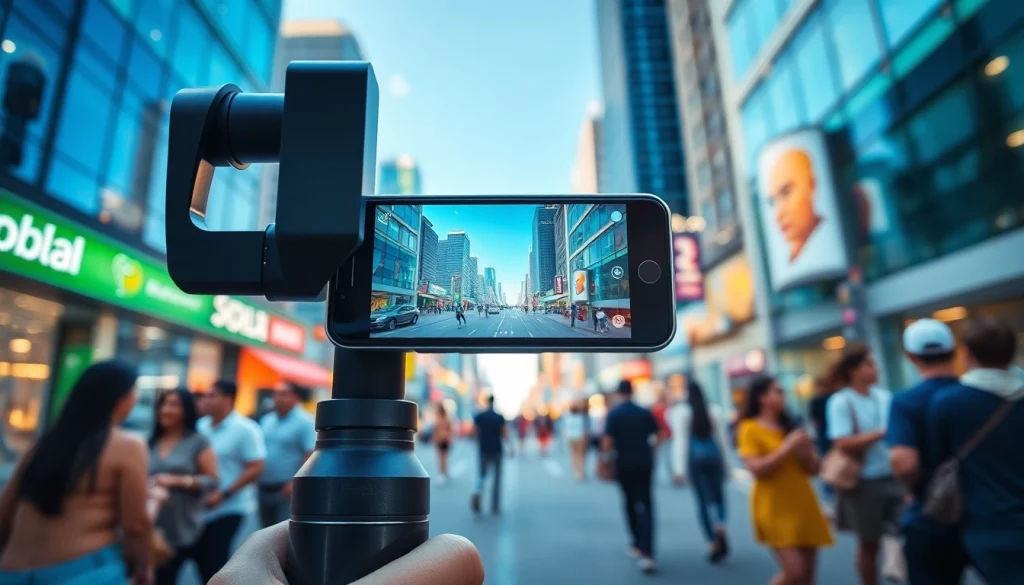

Understanding Phone Gimbals: Basics and Benefits
In the era of smartphones, the quality of video content has drastically improved, leading to a surge in demand for equipment that enhances video capture. A phone gimbal is an essential tool for anyone looking to elevate their videography skills, providing stability and smoothness that handheld shooting simply cannot match. With a plethora of options available in the market, it’s crucial to understand what a phone gimbal is, how it works, and the myriad of benefits it offers to videographers at all skill levels. When exploring options, phone gimbals provide comprehensive insights into achieving professional video quality.
What is a Phone Gimbal and How Does it Work?
A phone gimbal is a handheld device designed to stabilize your smartphone while capturing video or images. It utilizes a combination of motors and sensors to detect motion, allowing it to counteract unwanted shakes and jitters. The technology behind gimbals typically involves three axes of rotation: pitch, roll, and yaw. This three-axis stabilization enables users to shoot smooth, cinematic footage even while walking, running, or making dramatic movements.
Benefits of Using a Phone Gimbal for Video Creation
Using a phone gimbal has numerous advantages that significantly enhance the quality of videography:
- Smooth Footage: Gimbals eliminate camera shake, producing professional-grade videos with clear visuals.
- Versatility: They allow for various shooting angles, including panning, tilting, and tracking shots, adding dynamism to your footage.
- Portability: Most phone gimbals are lightweight and compact, making them easy to carry around for spontaneous shoots.
- Accessibility: With smartphone integration, they can be easily operated through dedicated apps that provide additional features like object tracking and timelapse settings.
- Enhanced Creativity: Filmmakers can experiment with more advanced techniques, such as slow motion and hyper-lapse, enhancing the viewer’s experience.
Common Misconceptions About Phone Gimbals
Despite the benefits, several misconceptions surround phone gimbals:
- They are only for professionals: Gimbals are user-friendly and designed for all skill levels, from amateurs to seasoned filmmakers.
- They require extensive setup: Most gimbals can be set up quickly, allowing users to start shooting in minutes.
- They’re too expensive: While there are premium options, many budget-friendly gimbals offer excellent performance and features.
Top Features to Look for in a Phone Gimbal
Motorized Stabilization Technology Explained
The core functionality of any gimbal lies in its stabilization technology. Motorized gimbals use brushless motors to maintain balance and eliminate shake. Features such as 360-degree rotation and responsive sensors ensure that users can capture smooth motion shots without manual adjustments. Advanced models come equipped with AI tracking features that automatically follow subjects, making it easier for creators to focus solely on capturing amazing content.
Portability and Weight Considerations
When selecting a phone gimbal, portability is a critical factor. Many users prefer lightweight, compact designs that can fit in a backpack without adding bulk. Look for gimbals that offer a foldable design, which makes them even easier to transport. Weight is also a consideration; a heavier gimbal may provide more stability but can also be cumbersome during extended use.
Smartphone Compatibility: Ensuring Fit and Function
Ensure that the gimbal you choose is compatible with your smartphone model. Most gimbals come with adjustable clamps to accommodate various phone sizes. Furthermore, consider whether the gimbal allows for the addition of accessories, such as microphones or lights, which can enhance the quality of your recordings.
Comparing the Leading Phone Gimbal Brands of 2025
DJI vs. Hohem: A Feature Comparison
Two of the most popular brands in the market today are DJI and Hohem. DJI gimbals, such as the Osmo Mobile series, are celebrated for their cutting-edge technology and robust app support, which provides features like object tracking and real-time editing tools. On the other hand, Hohem offers several budget-friendly options that still deliver impressive stabilization performance, making them ideal for beginners. While both brands excel, the choice often comes down to specific user needs and budget constraints.
Best Budget vs. Premium Options in Phone Gimbals
When comparing budget and premium gimbals, it’s essential to balance features and price. Budget brands, like Hohem, can provide fundamental features, allowing newcomers to explore videography without significant investment. Premium models, such as the DJI OM series, typically offer superior build quality, additional features, and longer battery life, suitable for serious filmmakers.
User Reviews and Satisfaction Analysis
Reading user reviews can provide valuable insights into the performance and reliability of gimbals. Look for feedback on ease of use, battery life, app functionality, and customer service. Products with consistently high ratings across various platforms are generally a safe bet, especially those that clearly emphasize their warranty and support policies.
Practical Tips for Using a Phone Gimbal Effectively
Setting Up Your Gimbal for Optimal Performance
Proper setup can maximize the benefits of your phone gimbal. Always start by balancing the gimbal with your phone attached. This ensures that the motors do not have to work harder than necessary, which can lead to battery drain. Follow the manufacturer’s guidelines to achieve optimal balance and stability.
Filming Techniques: Capturing Dynamic Shots
To make the most of your gimbal, explore various filming techniques:
- Tracking Shots: Follow your subject smoothly by keeping the gimbal level and using slow, controlled movements.
- Establishing Shots: Use the gimbal’s ability to pan and tilt for establishing shots that add context to your narrative.
- Jib Shots: Create dramatic height changes by smoothly moving the gimbal up or down while walking.
Editing and Enhancing Footage Shot with a Gimbal
While gimbals significantly improve stabilization, post-production is where videos can truly come to life. Use editing software to trim and enhance footage, apply color grading, and add sound design for a polished finish. Consider exploring software that integrates with gimbal technology for seamless editing workflows.
Future Trends in Phone Gimbal Technology
The Role of AI in Gimbal Stabilization
As technology progresses, the integration of AI into gimbals is becoming increasingly important. Future models may feature advanced tracking capabilities, allowing gimbals to automatically adjust based on the scene’s dynamics. Expect to see enhancements in how gimbals interact with smartphones, facilitating even more user-friendly experiences and creative possibilities.
Emerging Features to Watch for in 2026 and Beyond
As the landscape of videography evolves, new features are on the horizon. Anticipate improvements in battery life, wireless charging options, and even greater integration with mobile apps. Additionally, expect gimbals to incorporate advanced sensors that provide real-time feedback on user performance.
How to Stay Updated on Gimbal Technology Developments
Staying informed about the latest developments in gimbal technology is crucial for both professional and hobbyist videographers. Follow industry news through blogs, forums, and social media. Regularly check manufacturer websites for updates on new products and features, and participate in community discussions to share knowledge and experiences.