
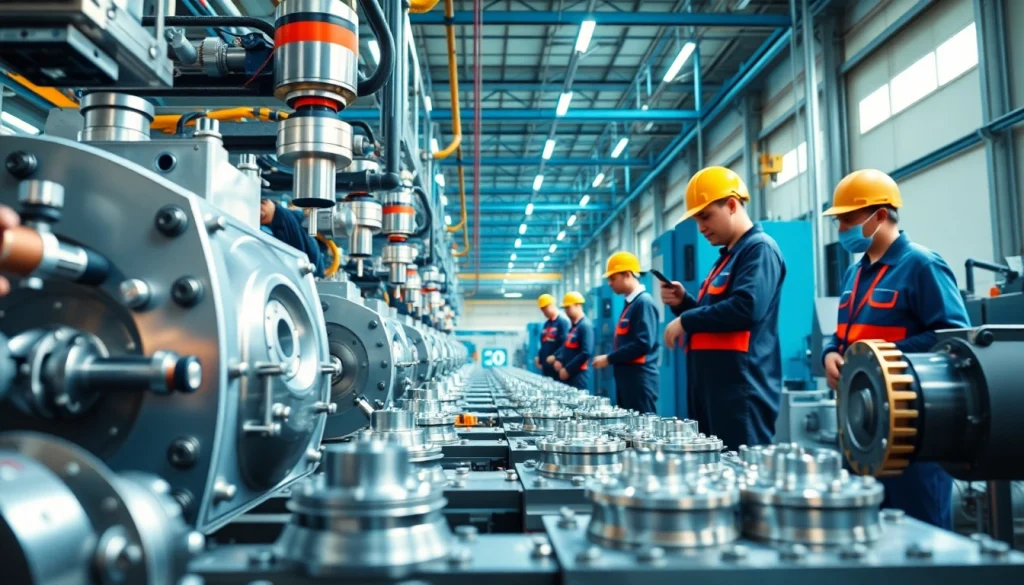

Understanding Diecasting: The Backbone of Manufacturing in Malaysia
Diecasting is an essential manufacturing technique that has gained significant traction in Malaysia, serving a wide array of industries from automotive to consumer electronics. As a diecaster malaysia, we are at the forefront of this technology, catering to the demands of a rapidly evolving market. Understanding the intricacies of diecasting not only highlights its importance in production but also showcases the advancement of Malaysian manufacturers in this competitive field.
What is Diecasting and Its Industrial Applications?
Diecasting is a precision manufacturing process where molten metal is injected into a mold under high pressure to create complex shapes. This technique is widely used in producing components for various sectors including automotive, aerospace, electronics, and hardware. The primary metals used in diecasting include aluminum, zinc, and magnesium, chosen for their light weight and high strength properties.
In the automotive industry, diecasting is used to manufacture parts like engine blocks, transmission housings, and structural components, ensuring lightweight performance while maintaining structural integrity. In electronics, diecast parts are often utilized for housings and structural elements, reflecting the versatility of this method.
The Importance of Quality Control in Diecasting
Quality control in diecasting is crucial due to the high stakes involved with end-product performance and safety. Manufacturers must adhere to strict industry standards and regulations to ensure that each component produced meets specific requirements. By implementing comprehensive quality assurance protocols—including visual inspections, dimensional checks, and material testing—diecasters can mitigate defects and ensure optimal performance of their products.
Advanced technologies such as automated inspection systems are increasingly being adopted, allowing for real-time quality assessments and immediate feedback loops. This integration of technology not only enhances productivity but also fosters a culture of continuous improvement among diecasting companies in Malaysia.
Diecasting vs. Other Manufacturing Techniques: A Comparative Analysis
When it comes to choosing manufacturing processes, diecasting stands out against alternatives such as sand casting and machining. Each of these methods has its advantages and nuances, which can make them suitable for different applications.
- Diecasting: Offers high precision and repeatability, making it ideal for large production runs of complex parts.
- Sand Casting: More cost-effective for low-volume production but results in rougher surface finishes.
- Machining: Provides exceptional accuracy and surface finish but is less efficient for high-volume production.
Ultimately, the choice of manufacturing method will depend on the specific needs of a project, including volume, material type, and component complexity.
Key Players in Malaysia’s Diecasting Industry
In Malaysia, the diecasting industry comprises several established companies that have made significant contributions to the sector. These key players not only dominate local markets but also supply to global brands, showcasing the country’s manufacturing prowess.
Top Diecasting Manufacturers in Malaysia
Some of the notable diecasting manufacturers in Malaysia include:
- Senadi Casting: A pioneer in the field, renowned for its innovative diecasting solutions and commitment to quality.
- Alumeco: Specializes in aluminum diecasting and is a significant supplier to the automotive and lighting industries.
- Casio Components: Focuses on manufacturing electronic components through diecasting techniques, notable for its precision and efficiency.
Each of these companies contributes to enhancing Malaysia’s reputation as a significant player in the global diecasting market.
Emerging Trends Among Local Diecasters
As the industry evolves, several trends are shaping the future of diecasting in Malaysia:
- Sustainability Initiatives: Companies are increasingly adopting eco-friendly practices such as recycling metals and reducing waste during production.
- Automation: The integration of robotics and AI to streamline processes and enhance precision is becoming commonplace.
- Customization: As consumer demands shift towards personalized products, diecasters are investing in technology to offer customized solutions.
These trends not only enhance operational efficiency but also align with global sustainability goals, positioning Malaysian diecasters for success in the coming years.
Case Study: A Leading Diecaster in Malaysia
To illustrate the impact of innovative practices in the diecasting industry, let’s examine Senadi Casting. With decades of experience, Senadi has established itself as a leader by investing heavily in state-of-the-art equipment and training its workforce in advanced diecasting techniques. The company’s commitment to quality and sustainability has allowed it to expand its client base both locally and internationally, demonstrating the potential for growth within the Malaysian market.
The Diecasting Process: From Concept to Completion
The diecasting process is intricate, involving several steps to transform raw materials into finished products. Understanding these steps can provide deeper insights into the efficiencies of diecasting.
Step-by-Step Overview of the Diecasting Process
- Preparation: The process begins with preparing the die, which involves cleaning and lubricating the mold to ensure the easy ejection of finished products.
- Melting: Metal is melted in a furnace, reaching the required temperature for diecasting.
- Injection: The molten metal is injected into the mold under high pressure, filling every detail of the die.
- Cooling: After injection, the metal cools and solidifies within the mold, taking its final shape.
- Ejecting: Once cooled, the die opens, and the finished product is ejected.
- Finishing: Final touches such as trimming, machining, or surface polishing are applied to meet specifications.
This systematic approach not only ensures efficiency but also maximizes the quality of the end product.
Materials Used in Diecasting and Their Benefits
The choice of materials plays a critical role in the diecasting process. Commonly used metals include:
- Aluminum: Lightweight, corrosion-resistant, and has excellent thermal conductivity, making it ideal for automotive and aerospace applications.
- Zinc: Known for its durability and resistance to rust, zinc is often used in household gadgets and electronics.
- Magnesium: Extremely lightweight yet strong, this metal is becoming increasingly popular in high-performance automotive applications.
Each material offers unique advantages, and the selection often depends on the specific requirements of the application.
Innovations in Diecasting Techniques and Equipment
The diecasting industry is continuously evolving, with innovations enhancing both process efficiency and output quality. Notable advancements include:
- Hybrid Diecasting: Combining traditional diecasting with 3D printing technology for enhanced design capabilities.
- Smart Diecasting: Utilizing IoT sensors and data analytics to monitor production in real-time and optimize operations.
- Advanced Mold Designs: Innovations in mold engineering allow for more complex geometries and faster cycle times.
These innovations are not only improving the quality of diecast products but also reducing production costs, bolstering the competitiveness of Malaysian diecasters.
Challenges Facing the Diecasting Industry in 2025
Despite the promising outlook for the diecasting industry, several challenges loom on the horizon that could impact its growth and sustainability.
Environmental Concerns and Sustainability in Diecasting
As environmental regulations tighten worldwide, diecasters face increasing pressure to adopt sustainable practices. The challenge lies in balancing production efficiency with eco-friendly initiatives. Implementing recycling processes for metal waste and reducing energy consumption during production are essential steps that need to be prioritized.
Supply Chain Disruptions Impacting Diecasters
Global supply chain disruptions, exacerbated by recent pandemic-related challenges, have affected various industries, including diecasting. Access to raw materials and timely deliveries are significant concerns for manufacturers. To mitigate these risks, many companies are reevaluating their supply chains and looking for local suppliers to reduce dependency on international logistics.
Technological Advancements: Opportunities and Risks
While technological advancements present opportunities for growth, they also come with risks. The rapid pace of innovation requires companies to continually invest in new technologies to stay competitive, which can be burdensome for smaller manufacturers. Additionally, the reliance on technology increases exposure to cybersecurity threats, emphasizing the need for robust security measures.
Future Outlook: The Evolution of Diecasting in Malaysia
Looking ahead, the diecasting industry in Malaysia is poised for transformation driven by market demands and technological advancements. The future will likely see a heightened emphasis on sustainability, innovation, and global competitiveness.
Predictions for the Diecasting Market in 2025
By 2025, the diecasting market in Malaysia is expected to grow significantly, driven by increased demand from the automotive and electronics industries. As manufacturers invest in new technologies and skilled labor, Malaysia will strengthen its position as a key player in the global diecasting landscape.
Investing in Automation and Smart Manufacturing
To remain competitive, local diecasters will need to invest in automation and smart manufacturing solutions. The integration of AI, machine learning, and robotics will optimize production processes, reduce operational costs, and improve product quality.
The Role of Local Diecasters in Global Supply Chains
As global supply chains become increasingly interconnected, local diecasters will play a critical role in ensuring timely production and delivery of components. Malaysian manufacturers can leverage their geographic advantage and expertise to emerge as preferred suppliers in the international market.
As the diecasting landscape continues to evolve, it is imperative for manufacturers to stay adaptable, embrace innovation, and address the challenges that may arise. With a commitment to quality, sustainability, and technological advancement, the future of diecasting in Malaysia looks promising.