Improving Intrusion Detection with Intelligent CCTV Video Analytics Systems
Improving intrusion detection is a critical priority for modern security environments, and Improving intrusion detection has become the foundation of smart surveillance strategies across industries. Improving intrusion detection enables organizations to move beyond passive monitoring, Improving intrusion detection supports proactive threat prevention, Improving intrusion detection reduces response times, Improving intrusion detection enhances situational awareness, Improving intrusion detection integrates artificial intelligence into surveillance, Improving intrusion detection minimizes human error, Improving intrusion detection strengthens perimeter security, Improving intrusion detection adapts to complex environments, and Improving intrusion detection delivers measurable security outcomes. As digital transformation accelerates, Improving intrusion detection through intelligent CCTV video analytics systems is redefining how threats are identified, assessed, and neutralized in real time.
Understanding Intelligent CCTV Video Analytics Systems
Intelligent CCTV video analytics systems combine traditional camera infrastructure with advanced software capable of analyzing video streams automatically. These systems interpret movement, behavior, and patterns using algorithms rather than relying solely on human operators. Improving intrusion detection in this context means identifying suspicious activity as it happens and triggering alerts before a breach escalates.
Core Components of Intelligent CCTV Analytics
CCTV cameras provide the raw visual data, while video management systems organize and distribute footage. Analytics engines process this data using artificial intelligence and machine learning models. Improving intrusion detection relies on the seamless interaction of these components, supported by storage systems and network connectivity. Integration with access control and alarm systems further strengthens the security ecosystem.
Role of Artificial Intelligence and Machine Learning
Artificial intelligence allows systems to learn from historical data and adapt to changing environments. Machine learning models improve accuracy over time by reducing false positives and recognizing genuine threats. Improving intrusion detection benefits directly from these adaptive capabilities, especially in dynamic locations such as airports, campuses, and industrial facilities.
Why Traditional Intrusion Detection Falls Short
Conventional intrusion detection systems often depend on motion sensors, infrared beams, or manual camera monitoring. While useful, these methods lack context and intelligence. Improving intrusion detection requires understanding intent and behavior, not just movement.
Limitations of Manual Monitoring
Human operators can miss critical events due to fatigue or information overload. Continuous monitoring across multiple screens is inefficient and prone to error. Improving intrusion detection with automation ensures that threats are flagged consistently without relying solely on human attention.
High False Alarm Rates
Traditional systems frequently trigger alarms due to animals, weather changes, or lighting variations. Improving intrusion detection through video analytics filters out irrelevant activity by analyzing object type and behavior, significantly reducing nuisance alerts.
How Intelligent Video Analytics Improves Intrusion Detection
Improving intrusion detection through intelligent analytics transforms raw video into actionable intelligence. The system evaluates scenes in real time and identifies potential threats with greater precision.
Real-Time Threat Recognition
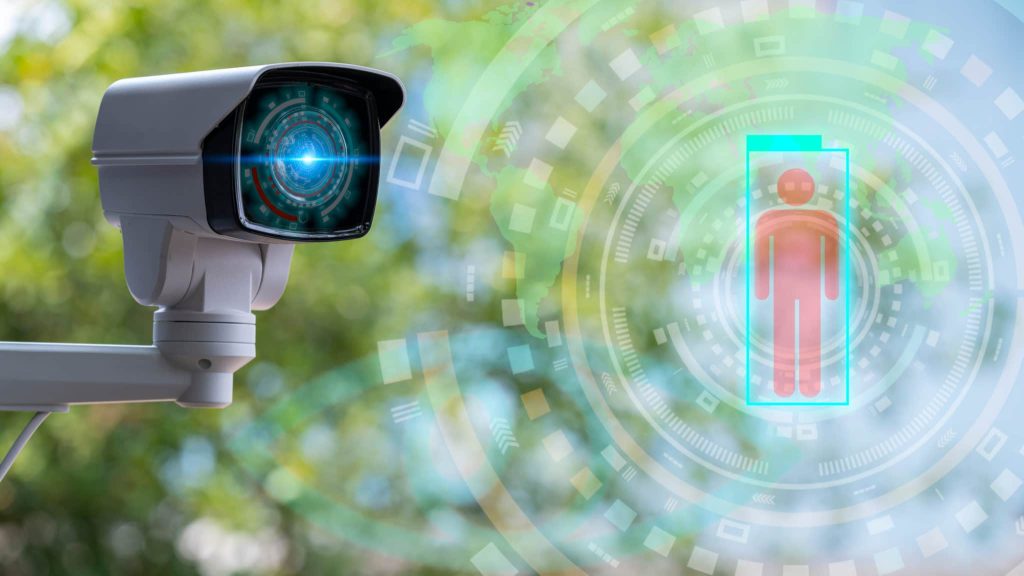
Advanced analytics detect unauthorized entry, loitering, perimeter breaches, and abnormal behavior instantly. Improving intrusion detection in real time allows security teams to respond before incidents escalate, protecting assets and people more effectively.
Behavior-Based Analysis
Instead of relying on simple motion detection, analytics assess behavior patterns such as direction of movement, speed, and dwell time. Improving intrusion detection through behavior analysis helps distinguish between normal activity and suspicious actions.
Context-Aware Alerts
Intelligent systems understand context, such as restricted zones or time-based access rules. Improving intrusion detection with context awareness ensures alerts are meaningful and relevant, reducing unnecessary interventions.
Key Use Cases Across Industries
Improving intrusion detection with intelligent CCTV analytics delivers value across multiple sectors, each with unique security challenges.
Commercial and Corporate Environments
Office buildings, data centers, and business parks require robust perimeter and internal security. Improving intrusion detection helps protect intellectual property, prevent unauthorized access, and support compliance requirements.
Critical Infrastructure and Utilities
Power plants, water treatment facilities, and transportation hubs depend on continuous operation. Improving intrusion detection in these environments safeguards essential services from sabotage and unauthorized interference.
Retail and Public Spaces
Retailers and public venues face challenges such as theft, vandalism, and crowd management. Improving intrusion detection supports loss prevention while enhancing overall safety for customers and staff.
Integration with Broader Security Ecosystems
Intelligent video analytics does not operate in isolation. Improving intrusion detection is most effective when analytics integrate with other security technologies.
Access Control and Identity Systems
When video analytics integrate with access control, systems can verify whether detected individuals are authorized. Improving intrusion detection through identity correlation strengthens security decision-making.
Alarm Management and Incident Response
Analytics-driven alerts can automatically trigger alarms, lock doors, or notify response teams. Improving intrusion detection through automation accelerates incident response and reduces operational delays.
Data Analytics and Reporting
Security data collected over time provides insights into risk patterns and vulnerabilities. Improving intrusion detection includes leveraging reports and dashboards to refine security strategies continuously.
Challenges and Best Practices for Implementation
While the benefits are substantial, implementing intelligent CCTV analytics requires careful planning. Improving intrusion detection depends on addressing technical and operational considerations.
Camera Placement and Quality
Analytics performance depends heavily on camera resolution, angle, and lighting. Improving intrusion detection starts with proper camera deployment to ensure accurate data capture.
Training and Calibration
Systems must be trained to recognize normal versus abnormal behavior in specific environments. Improving intrusion detection involves ongoing calibration to adapt to changes such as new layouts or seasonal conditions.
Privacy and Compliance Considerations
Using analytics responsibly is essential to maintain trust and comply with regulations. Improving intrusion detection should align with data protection laws and ethical surveillance practices.
Future Trends in Intelligent Intrusion Detection
The evolution of surveillance technology continues to accelerate. Improving intrusion detection will increasingly rely on emerging innovations.
Edge Computing and Real-Time Processing
Processing analytics at the camera or edge device reduces latency and bandwidth usage. Improving intrusion detection with edge computing enables faster decision-making and greater system resilience.
Deep Learning and Predictive Security
Future systems will not only detect intrusions but predict them based on patterns and risk indicators. Improving intrusion detection through predictive analytics shifts security from reactive to preventative.
Integration with Smart City Infrastructure
As cities adopt connected technologies, intelligent surveillance becomes part of a larger ecosystem. Improving intrusion detection supports urban safety initiatives and coordinated emergency response.
FAQs
What makes intelligent CCTV video analytics different from standard CCTV systems?
Intelligent analytics automatically analyze video content using artificial intelligence, whereas standard CCTV systems rely mainly on human monitoring and basic recording functions.
How does video analytics reduce false alarms?
By understanding object types and behavior patterns, analytics distinguish between real threats and harmless activity, significantly lowering false alert rates.
Is intelligent intrusion detection suitable for small businesses?
Yes, scalable solutions are available that allow small businesses to benefit from advanced analytics without complex infrastructure.
Can these systems work in low-light or outdoor environments?
Modern analytics systems are designed to perform in challenging conditions, especially when paired with high-quality cameras and proper configuration.
How long does it take to see results after deployment?
Many organizations notice improvements in security efficiency almost immediately, with accuracy increasing further as systems learn and adapt over time.
Conclusion
Improving intrusion detection with intelligent CCTV video analytics systems represents a significant leap forward in modern security. By combining artificial intelligence, real-time analysis, and system integration, organizations gain proactive protection against evolving threats. Improving intrusion detection enhances accuracy, reduces false alarms, and supports faster response, making it a cornerstone of effective surveillance strategies. As technology advances, Improving intrusion detection will continue to evolve, delivering smarter, safer, and more resilient security environments.